Chapter One — The Crisis
A silent ecological emergency
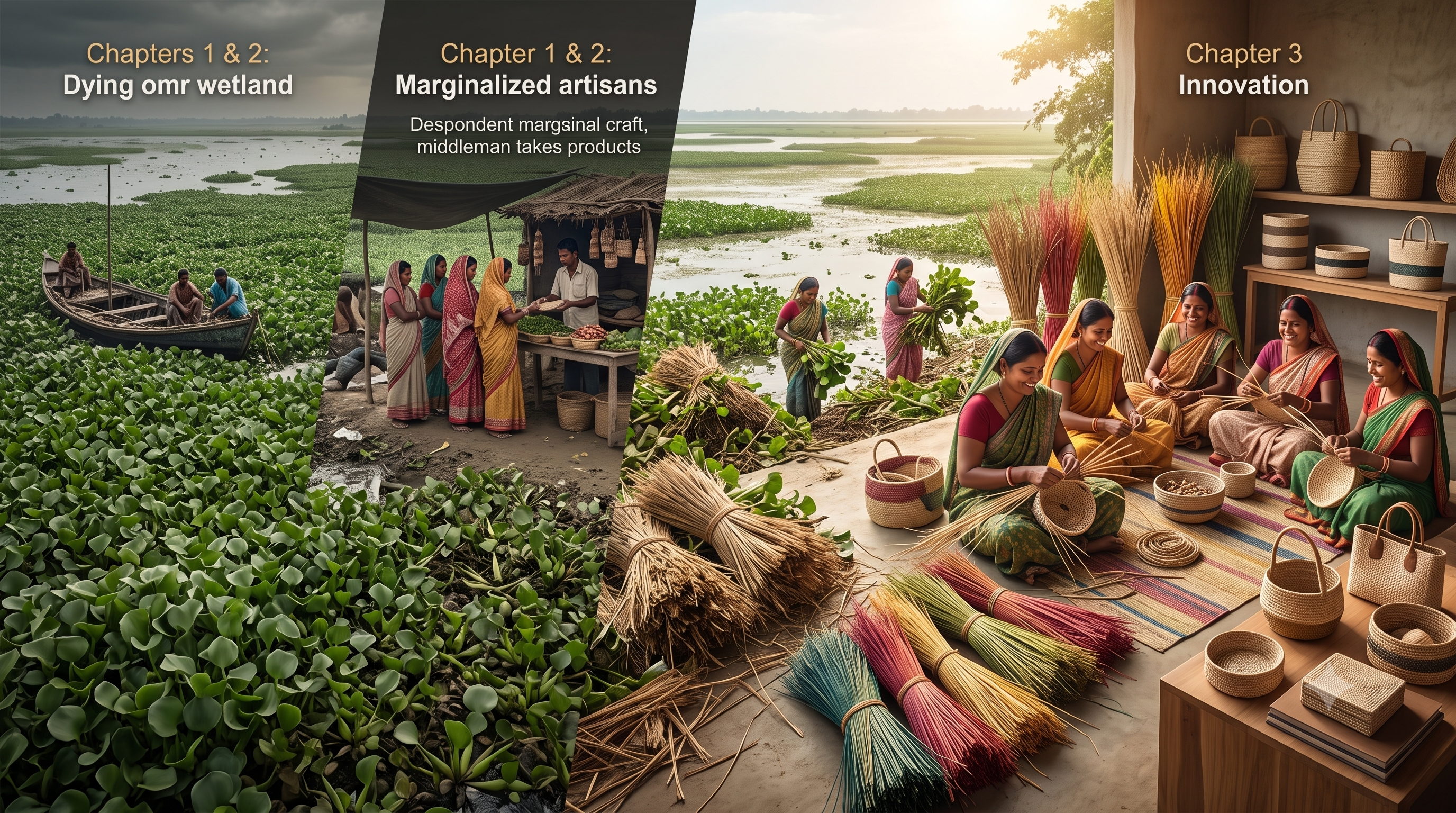
In Bihar, our waterways faced a disaster. Over 2.5 lakh hectares of vital wetlands became choked by invasive water hyacinth—killing local fish populations, destroying the livelihoods of traditional fishermen, and releasing harmful methane as it decayed.
Chapter Two — The Human Cost
Exploited and marginalized
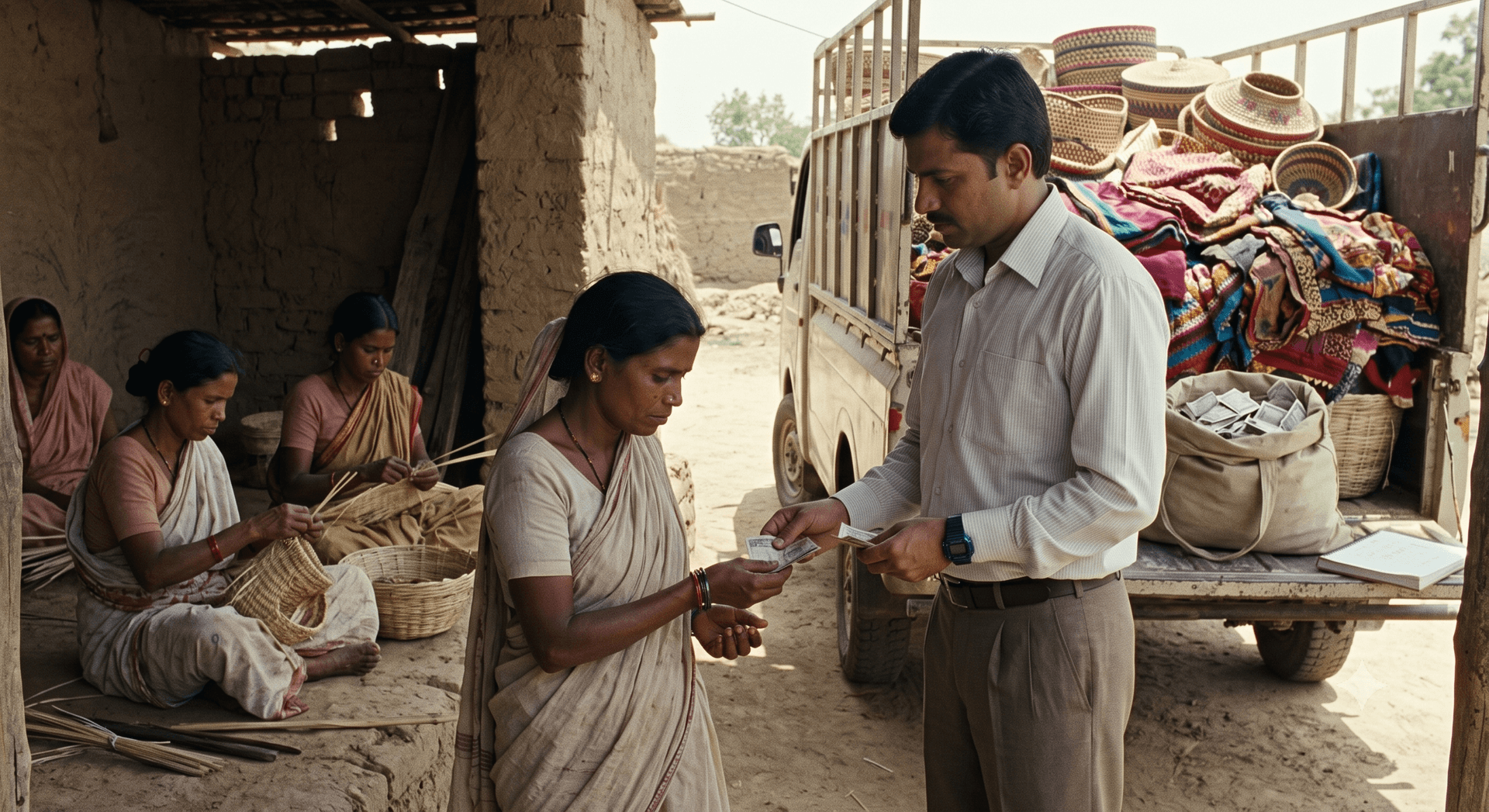
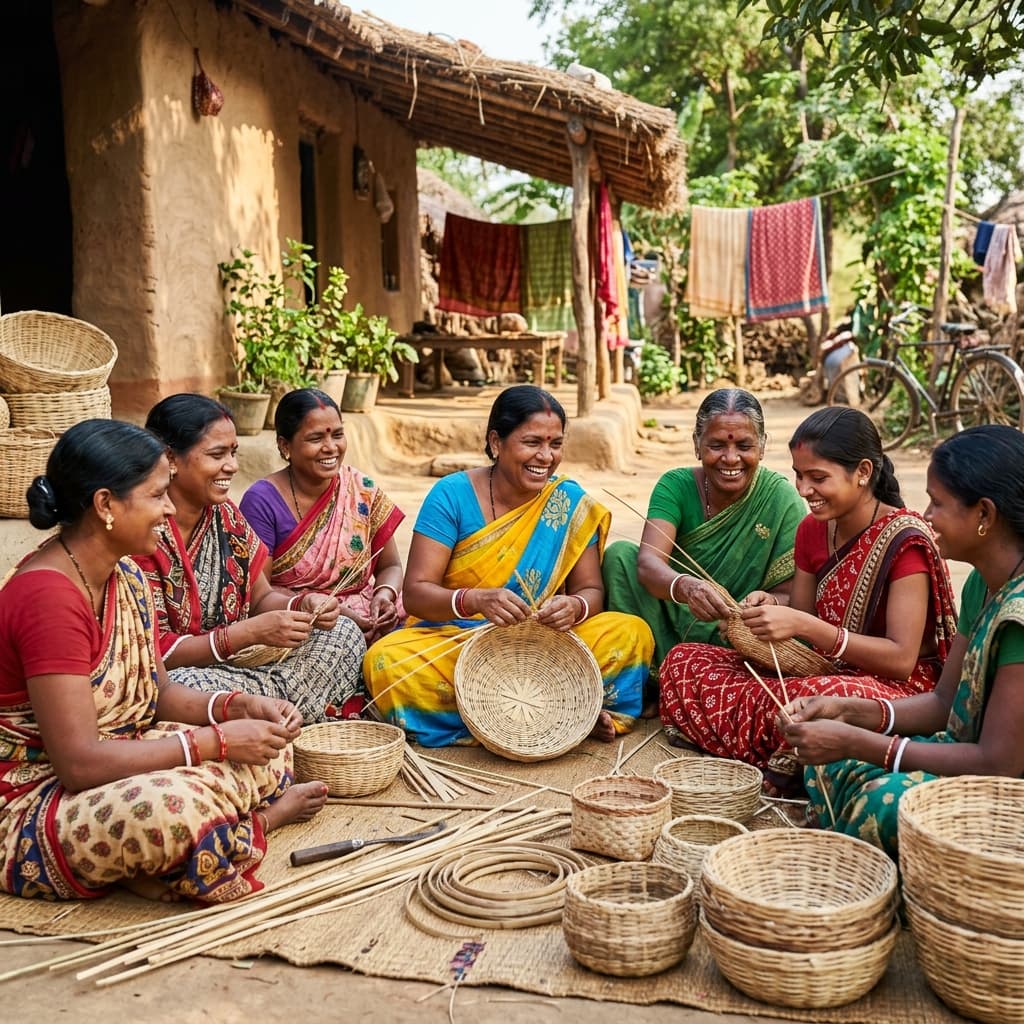
Simultaneously, traditional craft was dying due to a lack of market access. Rural artisans—80% of whom are economically vulnerable women—earned below subsistence levels while middlemen captured over 80% of the value they created.
Chapter Three — The Innovation
Turning pollution into premium
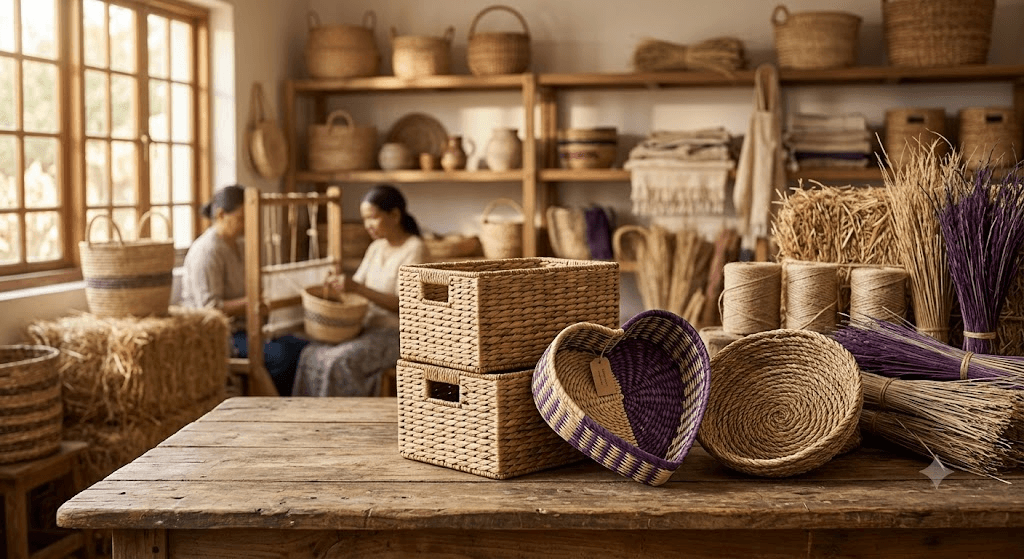
We saw a bridge between these two crises. By harvesting the free, abundant water hyacinth directly from dying wetlands, we eliminated raw material costs and turned a climate threat into a sustainable design solution.
Chapter Four — The Craft
Heritage meets modern design
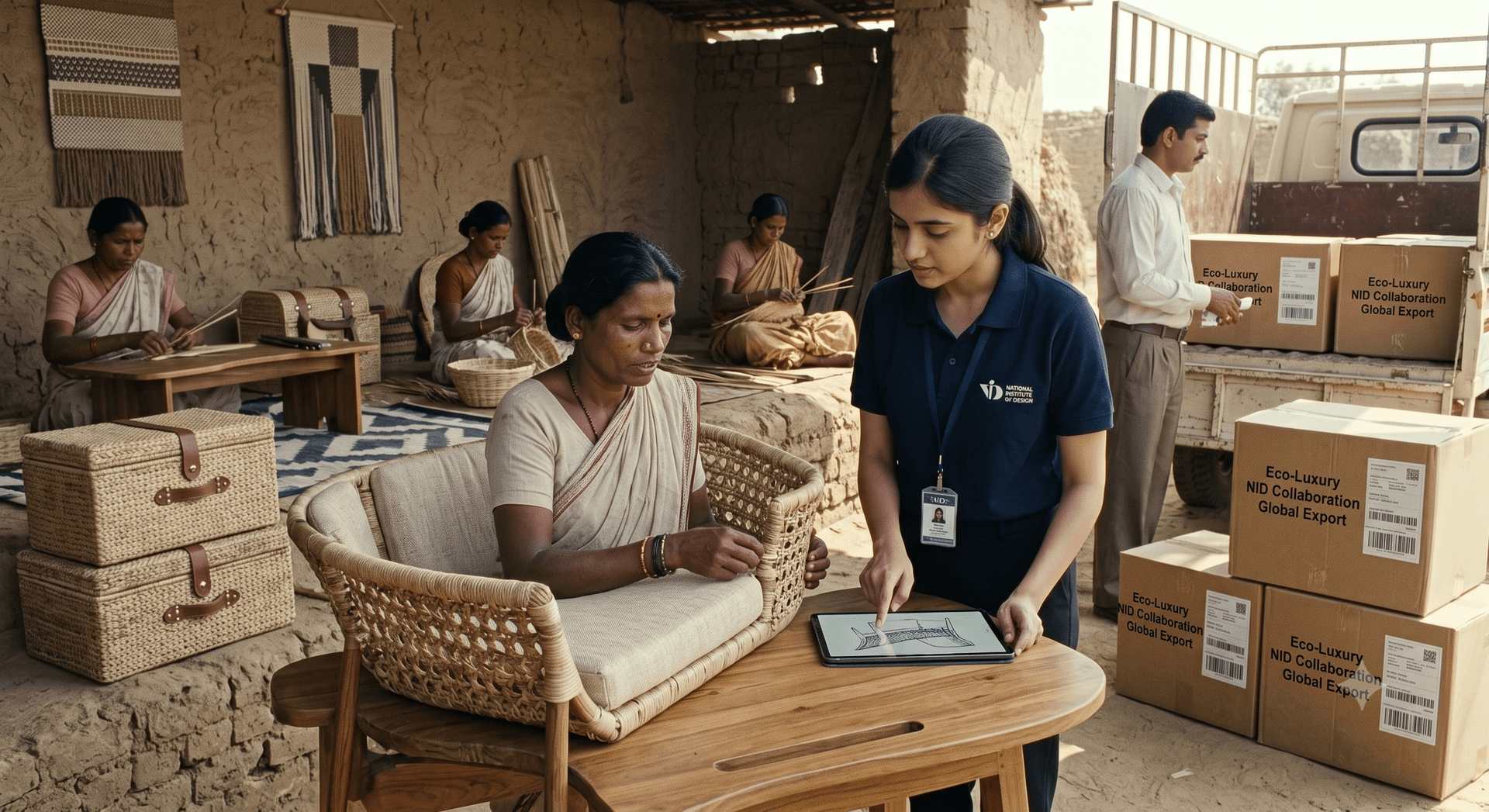
Collaborating with master artisans and IIT Patna engineers, we combined traditional weaving heritage with modern ergonomics to craft export-ready, Eco-Luxury products.
Chapter Five — Restoring Nature
Healing our wetlands
Today, we actively remove methane-emitting hyacinth, helping restore wetland biodiversity and clean up Bihar's aquatic ecosystems.
Chapter Six — Empowering Creators
Independence and prosperity
By eliminating middlemen, we ensure artisans earn over three times more income, transforming rural weavers into independent entrepreneurs.
Chapter Seven — Global Heritage
Bihar’s greatest export story
We are taking authentic Bihar handicraft—backed by sustainable artisan cooperatives—from local wetlands to world shelves.
01 / 07 — CRISIS